The Network Outside In

Unsere sozialen Netzwerke basieren auf materieller Kultur, aber zugleich vergessen wir das verbindende – und trennende – Netz, wenn wir kooperieren und kommunizieren. Dieses Verschwinden gehört zur Medialität der Netzwerke untrennbar dazu. Aber ihre materiell-symbolische Konstitution tritt immer wieder zu historischen Wendepunkten in den Vordergrund.

Formalisierte Netzwerke treiben nicht nur die Verbindungslogiken von Social Media an, sie sind auch zur Bedingung für weitere rezente Medienentwicklungen geworden, die Sprache, Texte, Bilder, Töne, Filme und Computercodes unter neue Netzwerkbedingungen stellen. Mit der datenintensiven Entwicklung von Algorithmen maschinellen Lernens ist die „network science“ in eine neue Phase eingetreten, die ich – mit aller gebotenen Vorsicht – die siebte Schicht der Netzwerkgeschichte nenne.

Durch konnektionistische Rechenpraktiken, die auf künstlichen neuronalen Netzen beruhen, ist seit 2012 das Phänomen der lange als gescheitert gegoltenen „Künstlichen Intelligenz“ zurückgekehrt. Galt im maschinellen Lernen zunächst statistischer Sprach- und Bildanalyse durch neuronale Netze die Aufmerksamkeit, ist mit den großen Sprachmodellen seit 2017 ein neuer, „generativer“ Modus der medialen Produktion entstanden. Dieser variiert vor allem bestehende cultural patterns, die vorher einer (formalen) Netzwerkanalyse unterzogen worden sind, um dann aufs Neue Muster zu generieren, die aber lediglich auf Wahrscheinlichkeiten beruhen.

Die Akteur:innen dieser Transformation, ob nun in ihrer nordamerikanischen oder chinesischen Variante, investieren massiv in den Ausbau ihrer geopolitischen Netzwerkmacht. Sie beruht weiterhin auf materiellen Faktoren: Künstliche Intelligenz benötigt energie- und kostenintensive Rechenzentren, um auf allen digitalen Geräten in Quasi-Echtzeit verfügbar zu sein. Sie bleibt auf ständig neue Datenressourcen angewiesen, die durch die Nutzer:innen in unsichtbarer Arbeit miterzeugt – oder wie jüngst im Falle von Metas Training des Sprachmodells Llama – gleich durch Big Tech extraktiv geraubt werden.

Mit konnektionistischer KI, die mit Sicherheit künstlich, aber eben nicht biologisch intelligent ist, steht die Beschreibbarkeit und Analyse dessen, was wir Medien und Kulturtechniken nennen, selbst auf dem Spiel. Dem ins Innere der Medien gewanderten Netzwerk werden wir nur auf die Spur kommen, wenn wir seine politische Ökonomie samt Datenkolonialismus, seine Rückwirkung auf unsere sozialen Medien, aber auch das opake Rechnen mit künstlichen neuronalen Netzen besser verstehen.

Zuerst erschienen im studentischen Magazin Seitenspiel, Potsdam: Europäische Medienwissenschaft, 2025, S. 9.


On The Connectivity of Things: Network Cultures since 1832

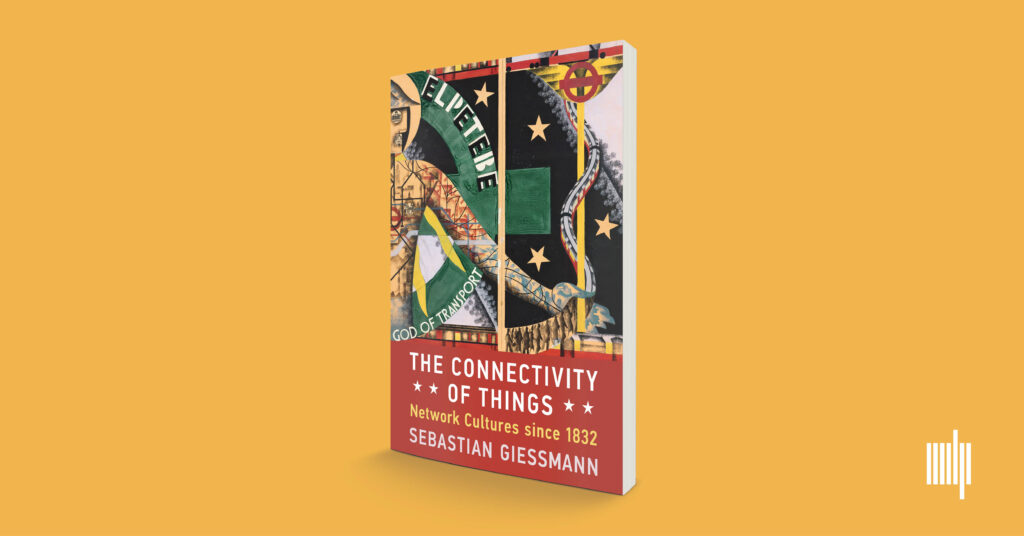
What is the truth about the network? And what might it tell us in our current situation? After five years of translation and fine-grained updating, Sebastian Giessmann’s seminal book on The Connectivity of Things: Network Cultures since 1832 finally came out in October 2024 with MIT Press. The full text is available in open access.

While the translated book’s historical narrative is deeply rooted in developments of 19th and 20th century infrastructural history, it is also a key work of German media theory. There’s much to discuss here for historians of technology, be it the notion of “cultural techniques,” the seemingly Western grounding of network practice and thought, and the in/visible work of networking in material cultures itself.

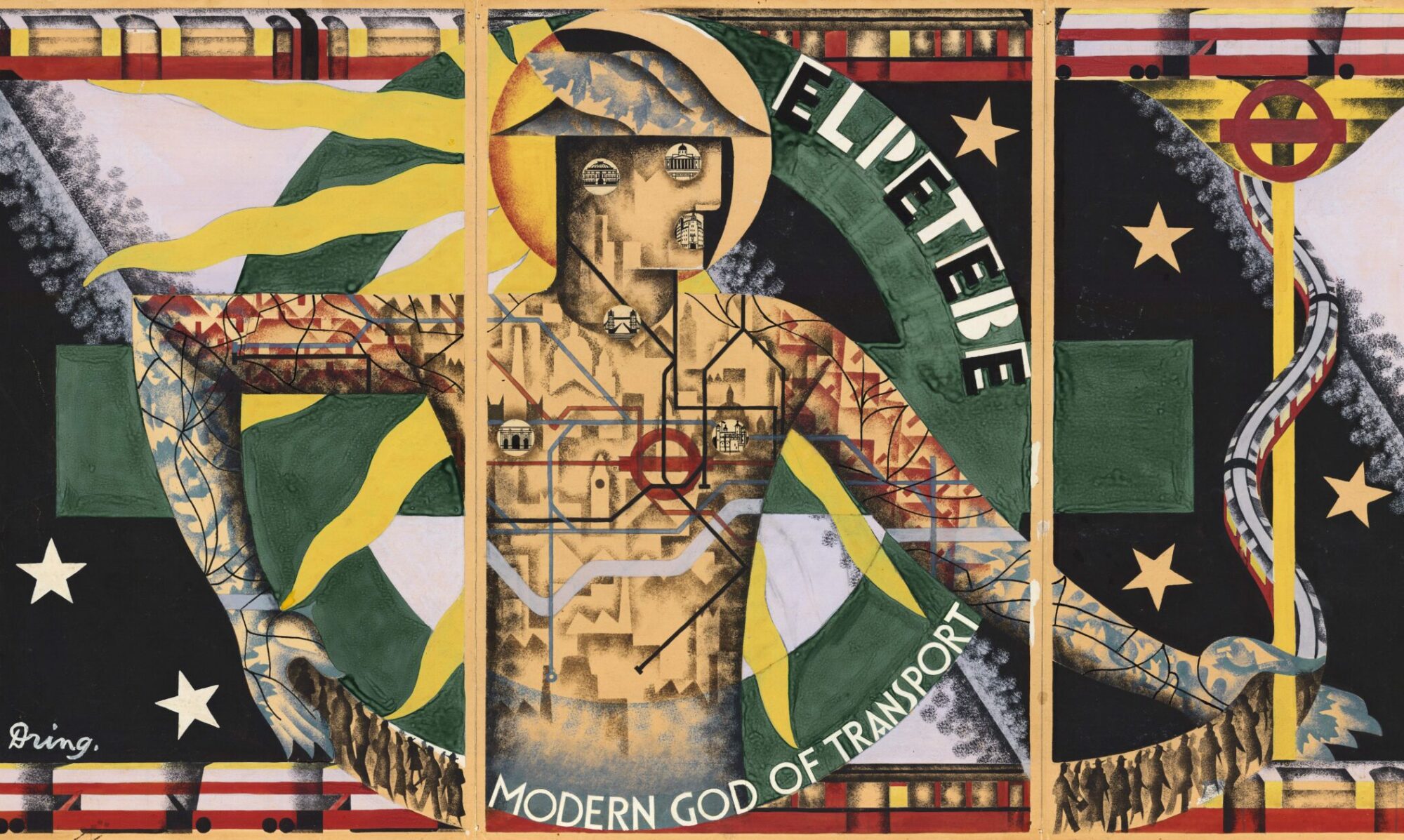
Connectivity is a book full of in-depth case studies that deserve a closer look, be it the relation between networks and colonial power in the case of French Saint-Simonianism, be it the early history of the telephone network, visual histories of network diagrams, the mobilities of the London Tube Map, Western and Eastern styles of logistics, and the unlikely inception of the ARPANET. It might be said that networks are a core cultural technique to allow for the migration of people, signs, and objects, which includes their disconnection. Connectivity of Things finally gives us a history that actor-network theory never dared to write itself.

We invite everyone at SHOT in Luxembourg to join the discussion, both in person and per hybrid participation. Our author-meets-critics session will combine key critical questions towards the book, and shall provide insights into the intricacies of such an (un-)timely and complex translation endeavor.

On The Connectivity of Things: Network Cultures since 1832
Author-meets-critics: Sebastian Giessmann (Siegen), Monika Dommann (Zurich), Cyrus Mody (Maastricht), Elizabeth Petrick (Rice), and Thomas Haigh (Wisconsin-Milwaukee)

Society for History of Technology Annual Meeting 2025
„Technologies of Migration – Migrating Technologies“
Esch-sur-Alzette, Luxembourg
Friday, October 10
12:55 PM – 2:10 PM

Kenneth Gordon McLaren and Eric Leonard Buesnel, Sketch and final drawing of a project network for the market launch of a product. Drawing, 1968–1969.

The Connectivity of Things: Network Cultures since 1832

Nets hold, connect, and catch. They ensnare, bind, and entangle. Our social networks owe their name to a conceivably strange and ambivalent object. But how did the net get into the network? And how can it reasonably represent the connectedness of people, things, institutions, signs, infrastructures, and even nature? The Connectivity of Things by Sebastian Giessmann, the first media history that addresses the overwhelming diversity of networks, attempts to answer all these questions and more.

Reconstructing the decisive moments in which networking turned into a veritable cultural technique, Giessmann takes readers below the street to the Parisian sewers and to the Suez Canal, into the telephone exchanges of Northeast America, and on to the London Underground. His brilliant history explains why social networks were discovered late, how the rapid rise of mathematical network theory was able to take place, how improbable the invention of the internet was, and even what diagrams and conspiracy theories have to do with it all. A primer on networking as a cultural technique, this translated German classic explains everything one ever could wish to know about networks.

A media history of the material and infrastructural features of networking practices, a German classic translated for the first time into English.

The MIT Press, Infrastructures Series
October 15, 2024
444 pp., 6 x 9 in, 82 b&w illus.
Open Access version: https://doi.org/10.7551/mitpress/12547.001.0001

„The Connectivity of Things: Network Cultures since 1832“ weiterlesen

Network Simulations Under Pandemic Circumstances

I was just wondering about the state of network modeling, simulating, and visualizing in the case of the Covid 19 pandemic. There is a productive Twitter thread that comes up with first preliminary glimpses. Thanks to everyone for contributing! Hope to get back to this more thoroughly, but in the meantime you might want to check out this conversation.

Netzwerkanalysen – zum Seminarfinale

Der folgende Text fasst in sehr geraffter Form ein Siegener Seminar im Wintersemester 2014/15 zusammen (Orts- und situationsbezogene Medienforschung I: Netzwerkanalysen). Normalerweise bleibt so etwas im universitären Kontext dunkelgraue Literatur, aber die Zeichen der Zeit sprechen für Open Educational Resources. Die Literaturverweise erschließen sich durch einen Blick auf den Syllabus. Danke an alle Studierenden für ihre engagierte Mitarbeit! „Netzwerkanalysen – zum Seminarfinale“ weiterlesen